Flexible Circuits
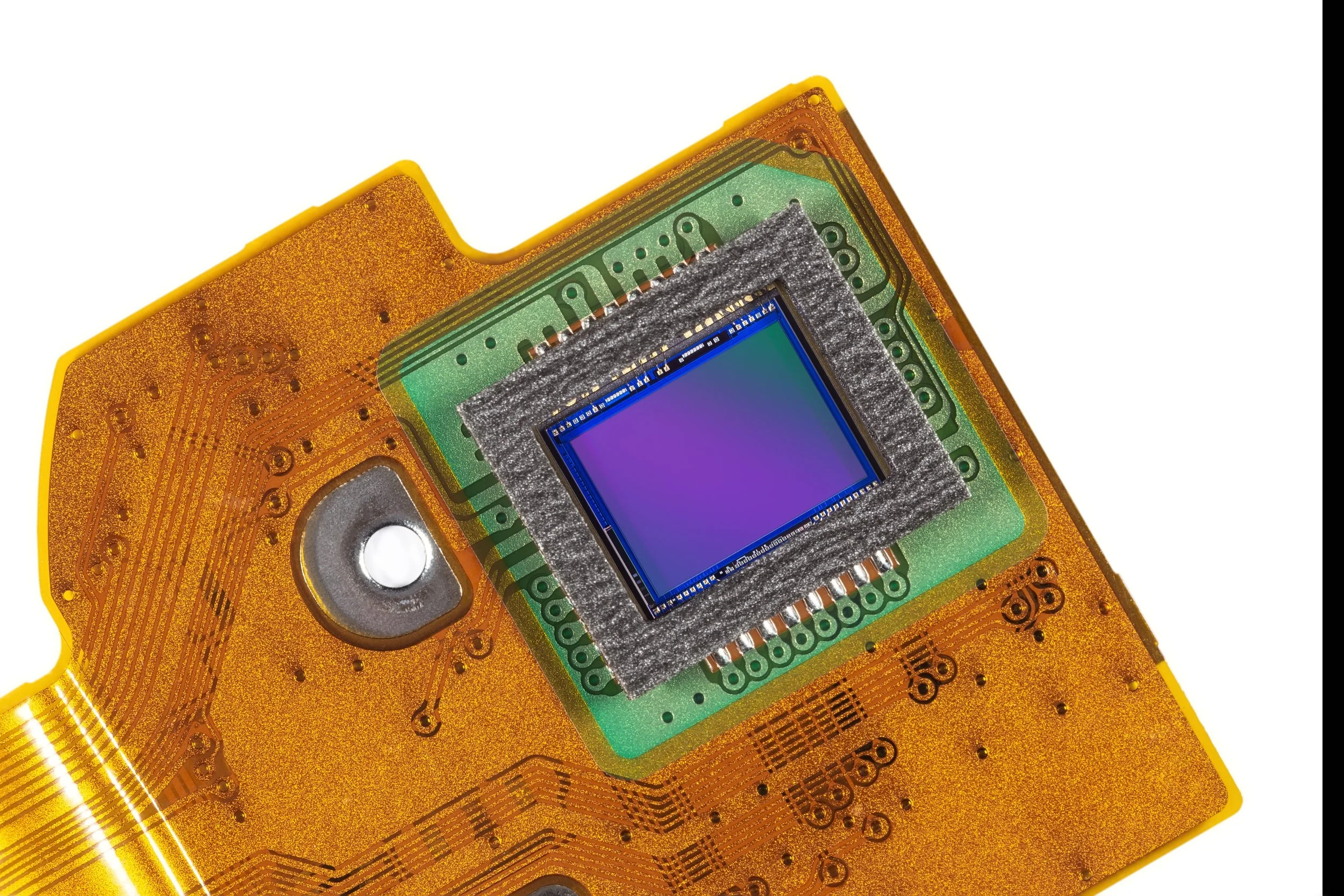
Flexible printed circuits allow electrical connections to bend, fold, and fit within compact or moving products. At Flex Circuit Solutions, we help OEMs and contract manufacturers turn those design requirements into manufacturable flex circuits, with North American support for DFM, quoting, and production coordination.
We support new designs from prototype through volume production, as well as second-source qualification for existing circuits. Our team works with customers on stack-up, materials, bend requirements, interconnect features, and the quality needs of the end application before moving a design into production.
Whether your priority is a smaller form factor, dependable performance, or a more resilient supply chain, FCS can help evaluate the design and define a practical manufacturing path.
Have a flex circuit design to review?

Flex Circuit Design & DFM Support
A successful flex circuit starts with the right construction for its electrical, mechanical, and environmental requirements. FCS reviews the details that affect manufacturability and long-term performance, including:
Materials and stack-up: Selecting the substrate, copper, adhesives, and layer construction for the application.
Bend areas: Reviewing bend radius, layer placement, and features in areas that will flex during installation or use.
Circuit protection: Planning coverlay openings and exposed features around connection points and assembly needs.
Interconnects: Reviewing pads, vias, connectors, and surface finishes for reliable integration into the finished product.
We work through these choices with customers during DFM so the proposed construction supports both the design intent and the production plan.

Flex circuits can solve packaging and interconnect challenges that are difficult to address with rigid boards and discrete wiring. The right construction depends on how the circuit will be installed and used.
Compact packaging: Thin, bendable circuits can route connections through tight spaces and conform to the shape of a product.
Fewer connection points: A flex circuit may replace separate wires, connectors, or board-to-board connections, simplifying the interconnect design.
Movement and vibration: When designed for the intended bend conditions, flex circuits can support applications that require movement or must fit around mechanical features.
Design integration: Circuit shape, connection areas, and layer construction can be tailored to the electrical and mechanical requirements of the assembly.
FCS reviews these tradeoffs during DFM to help customers choose a construction suited to both the application and production.
Where Flex Circuits Add Value
Applications We Support
Flex circuits are used where space, weight, movement, or interconnect complexity shapes the design. FCS works with customers to evaluate circuit construction and manufacturing requirements for applications such as:
Medical devices: Implantable Class III devices, catheters, MRI systems, endoscopes, and surgical tools that require autoclave sterilization.
Aerospace and defense: UAV systems, instrumentation, and high-frequency antennas using LCP constructions.
Automotive: Lighting, sensors, controls, and compact electrical interconnects.
Industrial electronics: Robotics, imaging systems, measurement devices, and equipment controls.
Commercial electronics: LCP antennas, display flex circuits, wearables, and other space-constrained products.
Each application has its own electrical, mechanical, and quality requirements. We review those needs with the customer to develop an appropriate manufacturing approach.